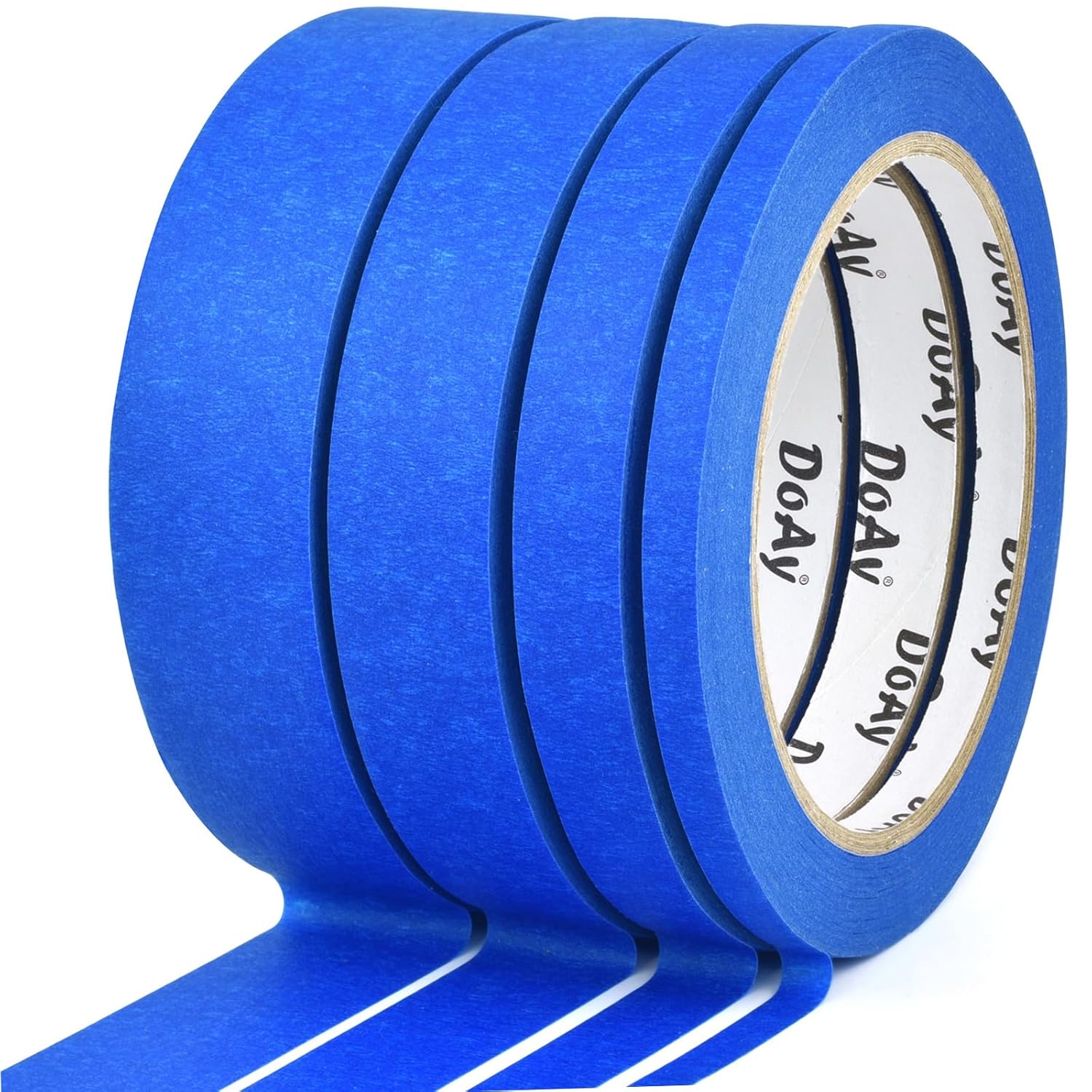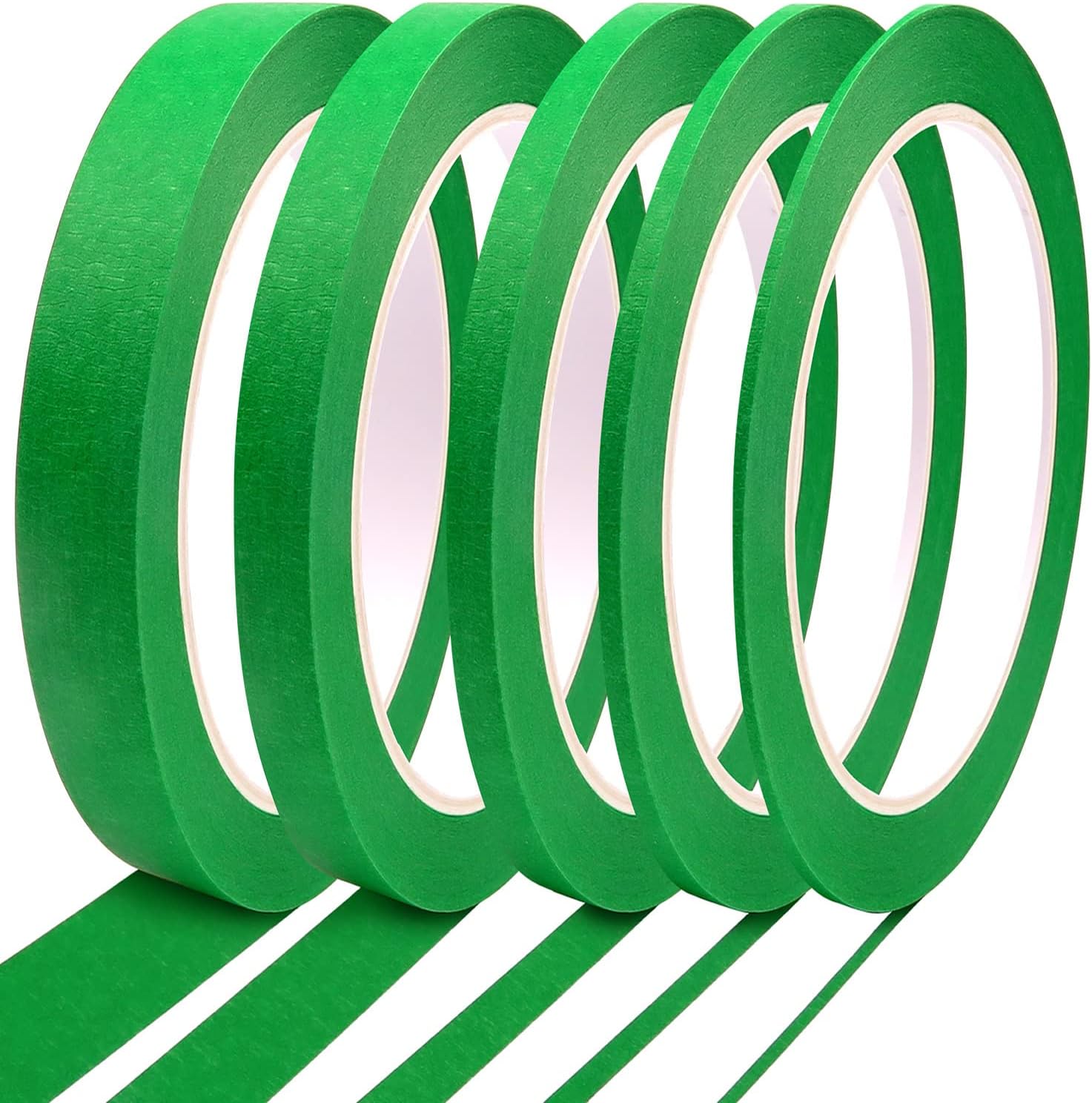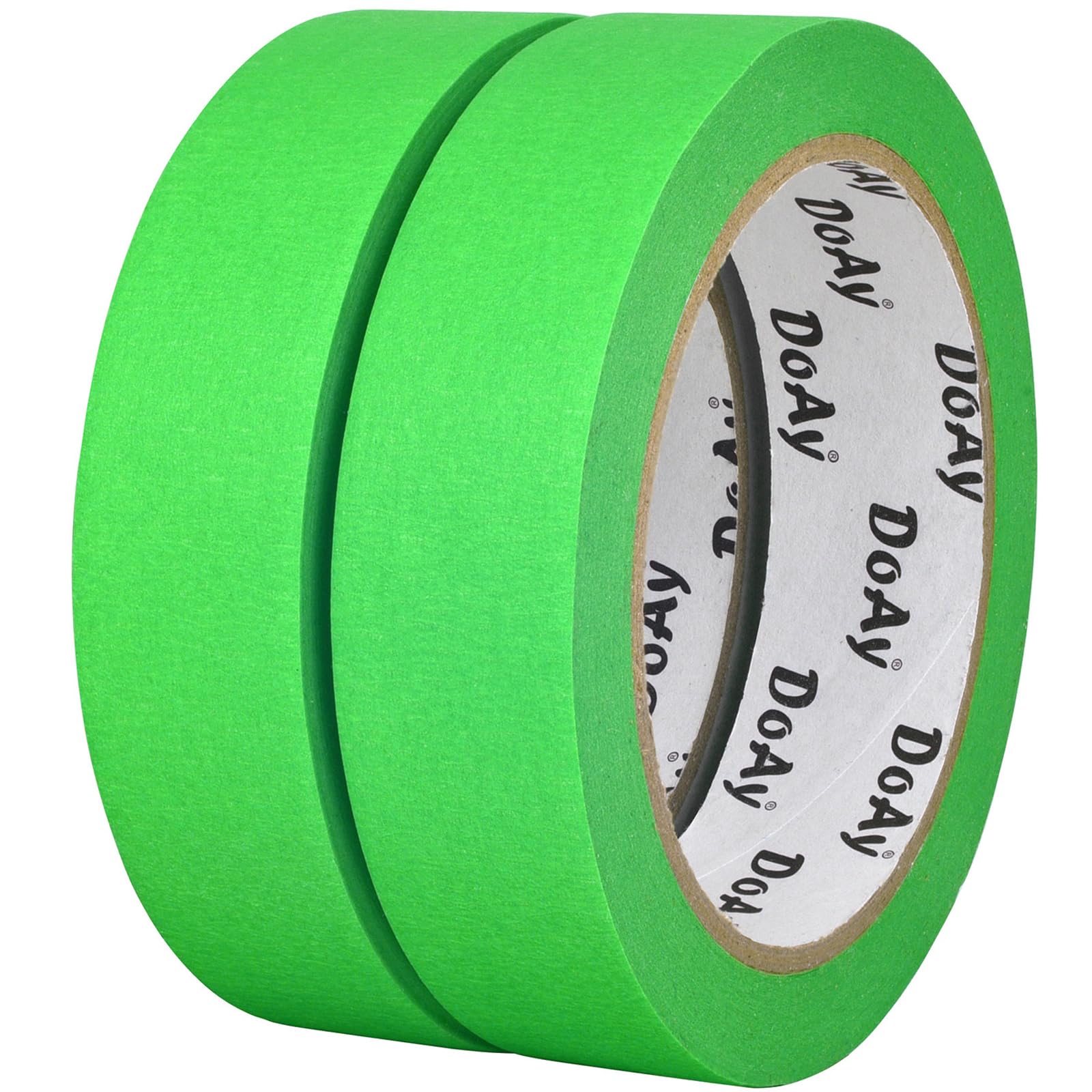
If you have ever peeled off painter’s tape and found messy, uneven edges instead of crisp paint lines, you are not alone. Paint bleed is one of the most common frustrations in DIY painting. The good news is that it usually happens for a few simple reasons, and once you understand them, it becomes much easier to prevent.
In most cases, paint bleed happens when wet paint slips through tiny gaps between the tape edge and the surface. Those gaps can come from dust, moisture, bubbles, textured walls, or using too much paint near the edge. Here are six common mistakes and how to fix them.
1. Applying Tape to a Dusty or Damp Surface

Painter’s tape works best on a clean, dry surface. If there is dust, grease, or moisture on the wall, the tape cannot seal properly. That gives paint an easy path underneath the edge.
How to fix it: Wipe the surface clean before applying tape and make sure it is fully dry. If the wall feels damp, wait a little longer or improve airflow before you start painting.
2. Stretching the Tape While Applying It
Many people pull the tape too tightly while laying it down. This can cause wrinkles, lifting, or small gaps once the tape relaxes.
How to fix it: Apply the tape in shorter sections without stretching it. Press it down gently as you go so it lays flat and even.
3. Not Pressing Down the Edge Firmly Enough

Even if the tape looks straight, the edge may not be fully sealed. Tiny bubbles or loose spots can allow paint to seep underneath.
How to fix it: After applying the tape, run a smooth tool such as a credit card or putty knife along the edge. This helps create a tighter seal and improves your chances of getting a clean line.
4. Using Too Much Paint Near the Tape Line
Heavy, wet coats are one of the fastest ways to force paint under the tape. This often happens when brushing directly into the tape edge with too much paint.
How to fix it: Use light coats near the tape line and avoid flooding the edge. Two light passes usually give better results than one heavy coat.
5. Skipping Edge Sealing on Rough Surfaces
Textured walls, wood grain, and uneven surfaces make it harder for tape to sit perfectly flat. Even a good tape can leave tiny openings on rough materials.
How to fix it: On more challenging surfaces, seal the edge before applying your final color. A very light coat of the base color along the tape edge can help block gaps and reduce bleed-through.
6. Removing the Tape Too Aggressively

Pulling tape off too quickly or at the wrong angle can ruin an otherwise clean result. It may tear the paint edge or leave the line looking rough.
How to fix it: Remove the tape slowly and pull it back on itself at about a 45-degree angle. If the paint has formed a dry film along the edge, lightly score the line first with a utility knife.
Final Thoughts
Sharp paint lines do not come from tape alone. Clean prep, careful application, light paint coats, and proper removal all make a big difference. In many cases, the problem is not the tape itself. It is the technique.
If you want cleaner, more professional-looking results, start with the basics and follow a consistent process every time.
At DOAY, we know small details matter. Whether you are painting walls, trim, baseboards, or working on a DIY project, the right masking tape technique can help you get sharper, cleaner results with less rework.